

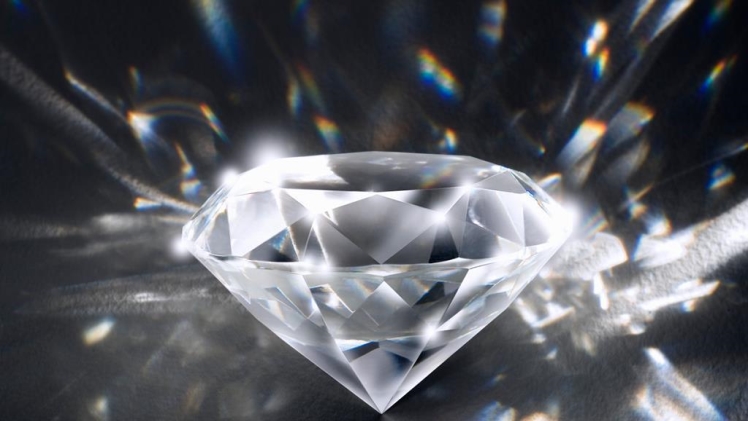
Laboratory-grown diamonds, also known as lab created diamonds uk, have become an increasingly popular choice in the jewelry market due to their ethical and sustainable nature. These diamonds are produced through advanced technological processes that simulate the natural conditions under which diamonds form deep within the Earth’s crust. Among the many factors that influence the properties of lab-grown diamonds, the presence of boron has recently caught the attention of scientists and gemologists. In this article, we explore the significance of boron content and profiles in large laboratory diamonds, shedding light on their formation and unique characteristics.
Boron is a chemical element that plays a crucial role in the coloration of diamonds. In natural diamonds, boron impurities can lead to the formation of rare and valuable blue diamonds. However, in lab-created diamonds, boron can also affect the diamond’s color, clarity, and other optical properties. As researchers continue to study the growth processes of lab-grown diamonds, understanding the role of boron in their formation is of utmost importance.
A recent study conducted by a team of scientists in the UK focused on the boron content and profiles in large laboratory diamonds. The researchers examined a range of lab-grown diamonds, analyzing their boron content and distribution patterns. The results revealed intriguing insights into the growth mechanisms of these synthetic gems.
One significant finding from the study was the correlation between boron content and the diamond’s color. Diamonds with higher boron concentrations tended to exhibit vivid blue hues, similar to rare natural blue diamonds. Understanding this relationship has implications for the jewelry industry, as it allows for the controlled production of blue lab-grown diamonds, meeting consumer demands for these captivating gems.
The researchers also discovered variations in boron profiles within individual lab-grown diamonds. This indicates that the growth conditions during the diamond’s formation can influence the distribution of boron impurities. Understanding these profiles can help gemologists distinguish lab-grown diamonds from their natural counterparts and provide valuable insights for quality assessment.
Moreover, the study shed light on the potential use of boron as a fingerprint for identifying the origin of lab-created diamonds. By analyzing the boron content and distribution patterns, scientists may be able to determine whether a diamond is produced through natural or laboratory processes. This breakthrough has significant implications for ensuring consumer confidence in the authenticity of diamonds and combating the issue of undisclosed synthetic diamonds in the market.
The study also highlights the continuous progress being made in the field of diamond synthesis. As technology advances, the quality and sophistication of lab-created diamonds are continually improving. This progress has led to an increased interest in lab-grown diamonds as a sustainable and ethical alternative to mined diamonds.
As consumers become more conscious of their choices and the environmental impact of their purchases, lab-grown diamonds have emerged as a viable option for those seeking a more responsible and sustainable approach to diamond jewelry. The UK, in particular, has witnessed a growing interest in lab-created diamonds, with an increasing number of jewelers offering these gems as part of their collections.
In conclusion, the study on boron content and profiles in large laboratory diamonds provides valuable insights into the formation and unique characteristics of lab-grown diamonds in the UK. Understanding the role of boron in these synthetic gems can potentially lead to the controlled production of captivating blue diamonds and bolster consumer confidence in the authenticity of lab-created diamonds. As the demand for ethical and sustainable jewelry continues to rise, lab-grown diamonds are poised to become an integral part of the jewelry industry, offering a brilliant and responsible choice for the modern consumer.
