

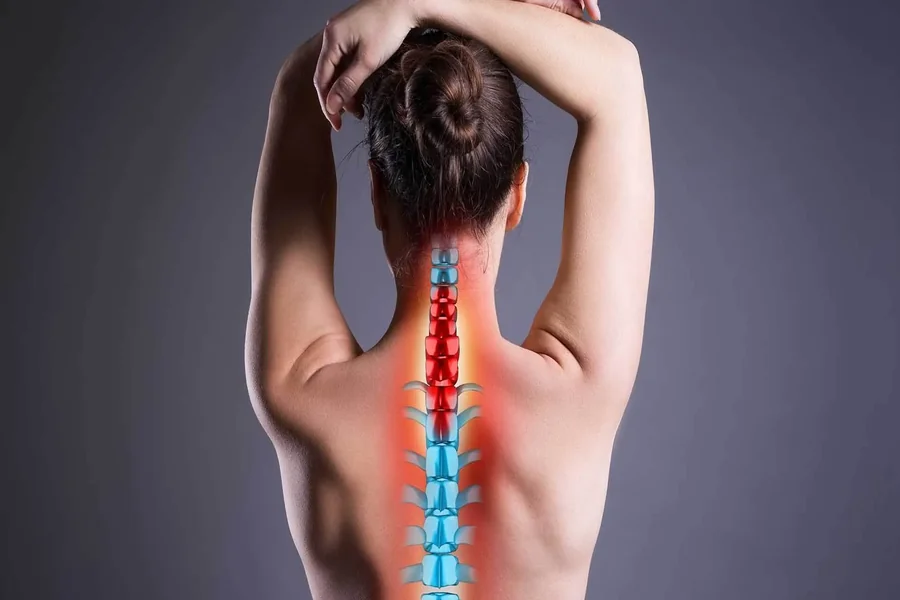
Muscle spasms are sudden, involuntary contractions that may lead to stabbing pain, discomfort, and limited movement. They may occur in any muscle group within the body, but the most frequent sites are the back, neck, and legs. Muscle spasms may be caused by overuse, dehydration, compression of nerves, or even underlying health conditions. One of the most popularly searched remedies is back muscle spasm treatment, particularly when the pain disrupts daily activities or sleep.
Whether a stiff neck, tight lower back, or acute cramp in the leg, proper management is key to long-term relief and mobility. Here, we’ll look at what muscle spasms are, their main causes, and how to effectively treat them at home or with medical aid. We will also emphasize effective back muscle spasm treatment, personalized guidance for lower back muscle spasm treatment, and when to seek the best orthopedic doctor in Dubai for recurring problems.
Understanding Muscle Spasms and Their Causes
Muscle spasms, or muscle cramps or charley horses, are involuntary and sudden contractions of one or more muscles. The spasms may be mildly annoying or very painful and may last from a few seconds to several minutes.
Some of the common causes are:
- Muscle fatigue due to overexertion or repetitive motion
- Dehydration, which interferes with electrolyte balance
- Nerve compression, particularly in the spine or neck
- Poor posture or sitting for extended periods
- Nutrient deficiencies, especially magnesium, calcium, and potassium
- Stress and tension, which tend to cause neck and back spasms
In more severe instances, muscle spasms can signal nerve damage or chronic musculoskeletal disorders like herniated discs or spinal stenosis.
Symptoms by Area
Back
Back spasms most commonly manifest in the lower area and tend to be caused by muscle strain or back conditions. People often experience a tightened knot or shock of pain that restricts mobility. Proper treatment for back muscle spasms must be found because untreated spasms can become increasingly severe and may result in permanent back pain.
Neck
Neck muscle spasms are often caused by stress, bad sleep posture, or too much time spent in front of screens. They manifest with stiffness, turning the head being hard to do, and stabbing pain that will sometimes travel into shoulders.
Legs
Leg spasms or cramps may occur at night or with physical activity. They are usually linked to circulatory problems, nerve trouble, or imbalance of electrolytes.
Treatment Methods for Muscle Spasms
1. Rest and Gentle Stretching
One of the initial steps in the treatment of a muscle spasm is to rest the involved area. After the initial pain has diminished, gentle stretching can be used to release the contracted muscle fibers. For example, drawing your toes toward you during a calf spasm or leaning the head to one side for neck relief.
2. Heat and Cold Therapy
Cold compresses can be used to reduce inflammation and numb sharp pain in the acute phase.
Heat therapy, like warm towels or heating pads, is beneficial later on to relax the muscles and enhance blood flow.
3. Hydration and Electrolyte Balance
Adequate intake of water and electrolyte maintenance with foods that are high in magnesium, potassium, and calcium can prevent and relieve spasms.
4. Massage and Physical Therapy
Targeted massage relaxes the contracted muscle fibers and enhances blood flow. Physical therapy can also create exercises for strengthening the nearby muscles, which provides long-term relief.
5. Medication
Painkillers like ibuprofen or muscle relaxants prescribed by a doctor can be required for extreme cases. But this has to be based on a doctor’s advice.
Specialized Care for Chronic Cases
If your spasms do not subside with home treatment, it could be a sign of a deeper musculoskeletal problem. Recurring back spasms, especially, may be associated with herniated discs or spinal alignment. In such instances, you should seek professional back muscle spasm treatment.
People suffering from recurring pain in the lower back need to investigate lower back muscle spasm treatment, which could include imaging diagnostic tests, correction of posture habits, and strengthening rehabilitation. Having the top orthopedic doctor in Dubai perform a correct diagnosis and prescribe a customized treatment course, particularly when nerve impingement or joint
Lifestyle Adjustments to Prevent Future Spasms
Lifestyle Modifications to Avoid Spasms Recurring
Prevention is always better than cure, and that especially applies to muscle care. The following are some lifestyle habits that will cut the risk of spasms recurring:
Hydrate with sufficient water, especially during exercise or residing in a hot climate.
Stretching regularly, especially for those who spend most of the day sitting at the office or labor that involves bodily strain.
Maintain sitting posture in work or weight lifting.
Perform strength exercises and mobility for balance of muscles.
Split the resting periods so muscles are kept active and perfused.
If there is recurring muscle tension or persistent spasm, a consultation with Dubai’s top orthopedic doctor will be able to determine your posture, movement habits, and overall musculoskeletal condition.
Final Word
Back, neck, and leg muscle spasms can wreck havoc on your daily routine, but with proper attention, they can either be prevented or taken care of. It could be a minor cramp or an ongoing problem, but knowledge of the cause is half the battle when it comes to effective treatment.
For individuals experiencing chronic symptoms, professional treatment can be the real difference. Alshifaalkhaleeji offers expert orthopedic advice and innovative solutions specifically designed to address individual musculoskeletal issues. With a focus on quality care and patient comfort, our experts enable you to get back on your feet—stronger and without pain.
