

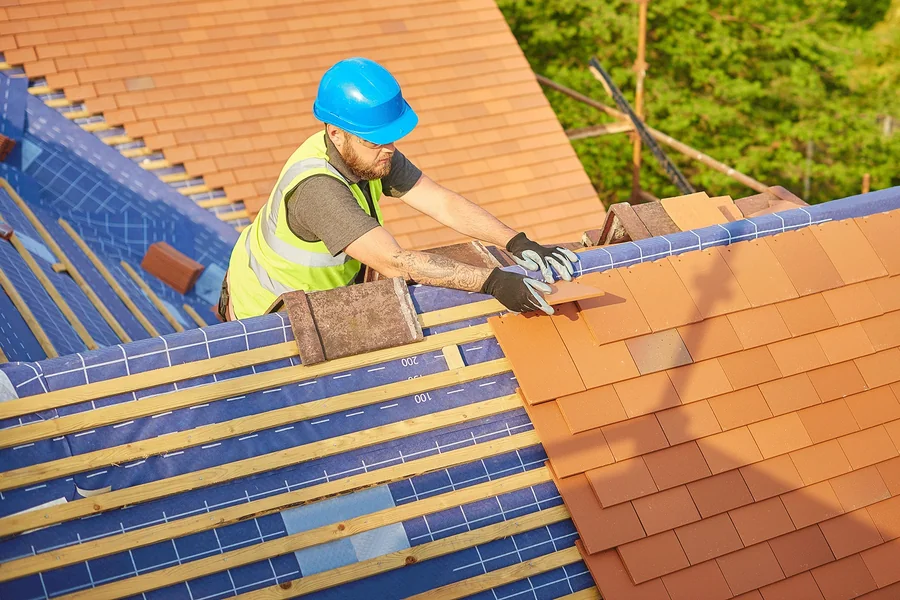
Your roof is one of the most important parts of your home. It protects you from the elements, adds curb appeal, and contributes to your property’s overall value. If you live in or around San Antonio, you know that the local weather—from blazing sun to strong storms—can take a toll on roofing materials. That’s why when it comes to roof installation San Antonio, quality, expertise, and durability matter.
Whether you’re building a new home, replacing an aging roof, or upgrading for energy efficiency, this guide will help you understand the essentials of roof installation, what to expect, and how to choose the best roofing contractor in San Antonio.
Why Roof Installation Is Important
A professionally installed roof does more than keep your home dry. It provides:
- Weather protection from heat, hail, wind, and rain
- Energy efficiency by insulating your home and lowering utility bills
- Structural support for your house
- Increased property value
- Improved aesthetics and curb appeal
When installed correctly, a quality roof can last anywhere from 20 to 50 years, depending on the material used.
Techsslash simplifies the digital world with easy-to-follow tech tutorials, news, product reviews, and how-to guides for all users.
Common Roofing Materials in San Antonio
San Antonio homeowners have a wide variety of roofing materials to choose from, each with its benefits and considerations. Here’s a quick overview:
1. Asphalt Shingles
- Most popular choice due to affordability and ease of installation
- Available in various colors and styles
- Lifespan: 15–30 years
- Performs well in most Texas weather conditions
2. Metal Roofing
- Highly durable and energy-efficient
- Reflects heat, ideal for hot San Antonio summers
- Lifespan: 40–70 years
- More expensive upfront but cost-effective long-term
3. Clay or Concrete Tile
- Excellent durability and fire resistance
- Fits well with San Antonio’s Spanish and Mediterranean architecture
- Heavy material—requires strong structural support
- Lifespan: 50+ years
4. Slate Roofing
- Natural stone material with unmatched longevity
- Elegant appearance and extremely weather-resistant
- Lifespan: 75–100 years
- One of the most expensive roofing options
5. Wood Shingles or Shakes
- Offers a natural, rustic look
- Requires maintenance and is less fire-resistant
- Lifespan: 20–30 years
Choosing the right roofing material depends on your budget, home design, and how long you plan to stay in your house.
Signs You Need a New Roof
Before installing a new roof, it’s important to assess whether your current roof actually needs replacement. Signs include:
- Missing or curling shingles
- Frequent leaks or water damage
- Sagging roofline
- Moss or mold growth
- Excessive granule loss (from asphalt shingles)
- A roof that’s 20+ years old
If you notice any of these issues, a professional roofing inspection can help you determine the best course of action.
The Roof Installation Process
Getting a new roof in San Antonio typically involves the following steps:
1. Initial Inspection and Estimate
A roofing contractor evaluates your existing roof and provides a written estimate based on the size, pitch, materials, and labor involved.
2. Choosing Materials
You’ll select roofing materials, underlayment, color, and any additional features (like ridge vents or skylights).
3. Tear-Off or Overlay
Most installations require the removal of old roofing material. In some cases, a new layer may be installed over an existing roof if local codes and structural integrity allow.
4. Repairs and Prep Work
The roofing team will inspect and repair any damage to the roof deck or structure before laying the new material.
5. Installing Underlayment
Waterproof underlayment is applied to protect the roof deck from moisture.
6. Shingle or Material Installation
The main roofing material is installed, followed by flashing, ridge caps, vents, and other finishing touches.
7. Final Inspection and Clean-Up
A reputable contractor will clean up debris, haul away old materials, and inspect the finished roof for quality assurance.
Roof Installation Costs in San Antonio
The cost of roof installation in San Antonio depends on several factors:
- Roof size and pitch
- Type of roofing material
- Labor and disposal fees
- Permits and inspections
- Complexity of the roof design
On average:
- Asphalt shingles: $5,000 – $10,000
- Metal roofing: $10,000 – $20,000
- Tile roofing: $12,000 – $25,000
- Slate roofing: $20,000+
Getting multiple quotes from local roofing contractors is the best way to understand your price range.
Choosing a Roofing Contractor in San Antonio
Not all roofing companies are created equal. Here’s what to look for when selecting a roofing contractor:
1. License and Insurance
Ensure the contractor is licensed to operate in Texas and carries liability and worker’s compensation insurance.
2. Experience and Reputation
Look for companies with a strong track record in San Antonio. Read online reviews and ask for local references.
3. Warranty
A reliable roofer will offer both a manufacturer’s warranty (for materials) and a workmanship warranty.
4. Transparency and Communication
The best contractors are honest, clear about pricing, and keep you informed throughout the process.
5. Local Knowledge
San Antonio roofers understand regional climate challenges and local building codes, which is essential for long-term roofing success.
Weather and Roof Considerations in San Antonio
San Antonio’s climate poses unique challenges for roofs, including:
- Extreme heat in the summer, which can cause materials to expand and degrade
- Thunderstorms and hail, which can damage shingles and flashing
- Heavy rains that require effective water drainage and leak protection
That’s why proper installation and durable materials are especially important in this region.
Final Thoughts
If you’re considering roof installation in San Antonio, it’s important to take the time to research your options, choose the right materials, and hire a trustworthy local contractor. Your roof plays a vital role in protecting your home, and investing in quality installation now can save you money and stress in the future.
Whether you’re replacing an old roof or building a new home, a professionally installed roof not only protects but also adds beauty and value to your property—making it a wise and lasting investment.
