

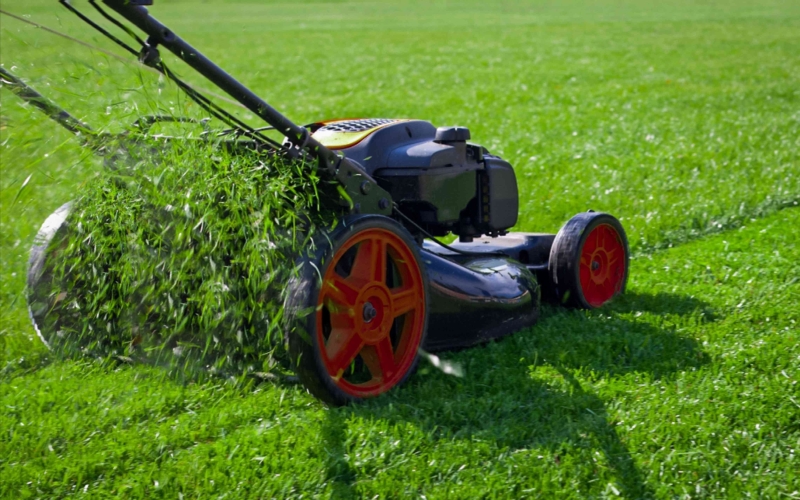
Mowing is a crucial aspect of lawn maintenance that improves the appearance and health of grass. Regular mowing promotes thicker, denser growth, which helps suppress weeds and creates a lush lawn. The optimal mowing frequency varies based on grass type, season, and growth rate, but a general guideline is to mow when the grass is about one-third taller than the desired height.
This approach maintains a neat appearance while preventing stress on the grass, as cutting too much at once can cause scalping and damage. Sharp mower blades are essential, as dull blades can tear the grass instead of cutting it cleanly, increasing the risk of disease and resulting in an uneven appearance. The mowing height significantly impacts lawn health.
Different grass types have specific optimal heights; cool-season grasses like Kentucky bluegrass thrive at 2.5 to 3.5 inches, while warm-season varieties such as Bermuda grass prefer 1 to 2 inches. Mowing too low can expose soil and roots to excessive sunlight and heat, leading to moisture loss and increased vulnerability to pests and diseases. Conversely, leaving grass too long can create a habitat for pests and encourage fungal growth.
Understanding the specific needs of your grass type and adjusting mowing practices accordingly is crucial for maintaining a healthy lawn.
Fertilizing
Fertilizing is an essential component of lawn care that provides the necessary nutrients for grass to thrive. Grass requires a balanced supply of nitrogen, phosphorus, and potassium—often referred to as N-P-K—to grow robustly and maintain its vibrant color. Nitrogen promotes lush, green growth; phosphorus supports root development and flowering; while potassium enhances overall plant health and resistance to disease.
The timing and method of fertilization can significantly impact the effectiveness of nutrient uptake. For instance, applying fertilizer in early spring can give cool-season grasses a much-needed boost as they emerge from dormancy, while warm-season grasses benefit from fertilization in late spring or early summer when they are actively growing. In addition to choosing the right type of fertilizer—whether granular or liquid—it’s crucial to conduct a soil test before application.
A soil test will reveal nutrient deficiencies and pH levels, allowing for a more tailored approach to fertilization. Over-fertilizing can lead to nutrient runoff, which not only harms the environment but can also result in a lawn that is lush but weak, making it susceptible to diseases and pests. Furthermore, using slow-release fertilizers can provide a steady supply of nutrients over time, reducing the need for frequent applications and minimizing the risk of nutrient leaching.
By understanding the specific needs of your lawn and applying fertilizers judiciously, you can cultivate a healthy, thriving landscape.
Watering
Watering is another critical aspect of lawn care that directly influences grass health and appearance, states one Sydney turf supplier. Grass typically requires about one inch of water per week, either from rainfall or irrigation, to maintain its vigor and resilience. However, this requirement can vary based on factors such as grass type, soil composition, and climate conditions.
For instance, sandy soils drain quickly and may require more frequent watering compared to clay soils that retain moisture longer. To ensure deep root growth and drought resistance, it’s advisable to water deeply but infrequently, allowing the soil to dry out slightly between watering sessions. This practice encourages roots to grow deeper into the soil in search of moisture, resulting in a more robust lawn.
Moreover, the timing of watering plays a significant role in its effectiveness. Early morning is often considered the best time to water because it allows grass blades to dry out during the day, reducing the risk of fungal diseases that thrive in moist conditions. Watering in the evening can lead to prolonged moisture on the grass blades overnight, creating an environment conducive to disease development.
Additionally, using irrigation systems equipped with timers or moisture sensors can help optimize water usage and ensure that your lawn receives adequate hydration without overwatering. By adopting smart watering practices tailored to your lawn’s specific needs, you can promote healthy growth while conserving water resources.
Weed control
Weed control is an ongoing challenge for many homeowners striving for a pristine lawn. Weeds compete with grass for essential resources such as sunlight, water, and nutrients, often leading to a patchy or unhealthy appearance. Effective weed management begins with prevention; maintaining a healthy lawn through proper mowing, fertilizing, and watering practices creates an environment less conducive to weed growth.
Additionally, mulching around garden beds and using landscape fabric can help suppress weed emergence in flower beds and borders. However, despite best efforts at prevention, some weeds may still infiltrate your lawn, necessitating targeted control measures. There are two primary approaches to weed control: chemical and organic methods.
Chemical herbicides can be effective for quick results but must be used judiciously to avoid harming desirable plants or polluting local waterways. Pre-emergent herbicides can prevent weed seeds from germinating when applied at the right time in spring or fall. On the other hand, organic methods such as hand-pulling or using vinegar solutions can be effective for smaller infestations without introducing chemicals into your environment.
Regardless of the method chosen, it’s essential to identify the specific types of weeds present in your lawn so that you can select the most effective control strategy. By combining preventive measures with targeted control techniques, you can keep your lawn looking its best while minimizing weed competition.
Aeration
Aeration is a vital process that enhances soil health by alleviating compaction and improving air circulation within the root zone of your lawn. Compacted soil restricts root growth and limits access to essential nutrients and water, ultimately leading to a lackluster lawn. Aeration involves perforating the soil with holes—typically 2-4 inches apart—to allow air, water, and nutrients to penetrate deeper into the ground.
This process not only promotes healthier root systems but also encourages beneficial microbial activity in the soil that contributes to overall lawn vitality and a fantastic Australian garden design. Aeration is particularly beneficial for lawns that experience heavy foot traffic or those with clay-heavy soils that are prone to compaction. The best time to aerate your lawn depends on its grass type; cool-season grasses benefit from aeration in early spring or fall when they are actively growing, while warm-season grasses should be aerated in late spring or early summer.
After aeration, it’s advisable to follow up with overseeding or fertilization to maximize the benefits of this process. The holes created during aeration provide an ideal environment for seeds or nutrients to settle into the soil more effectively. Additionally, leaving the soil plugs on the surface allows them to break down naturally over time, returning valuable organic matter back into the soil.
By incorporating regular aeration into your lawn care routine, you can significantly improve soil structure and promote a healthier, more resilient lawn.
Seeding
Seeding is an essential practice for establishing new lawns or repairing damaged areas within an existing one. Whether you’re starting from scratch or looking to fill in bare patches caused by wear and tear or pest damage, selecting the right type of seed is crucial for success. Different grass varieties have unique characteristics suited for specific climates and uses; for example, fine fescue is ideal for shady areas while tall fescue thrives in sunny spots with drought resistance.
When seeding an area, it’s important to prepare the soil adequately by loosening it with a rake or tiller and removing any debris that could hinder seed germination. Timing is also critical when it comes to seeding; cool-season grasses should be sown in early spring or early fall when temperatures are moderate and moisture levels are higher. Conversely, warm-season grasses are best seeded in late spring when temperatures rise consistently above 65°F (18°C).
After seeding, it’s essential to keep the area consistently moist until germination occurs—this may require light watering several times a day initially until seedlings establish themselves. Additionally, applying a thin layer of mulch can help retain moisture while protecting seeds from birds and other pests. By understanding the specific needs of your chosen grass type and following proper seeding techniques, you can cultivate a lush lawn that enhances your outdoor space.
Pest control
Pest control is an integral part of maintaining a healthy lawn ecosystem. Various pests—ranging from insects like grubs and chinch bugs to larger animals such as rabbits—can wreak havoc on your grass if left unchecked. Identifying pest problems early is crucial; signs may include irregular patches of dead grass or visible insect activity on blades or roots.
Integrated Pest Management (IPM) strategies are often recommended for effective pest control; these involve monitoring pest populations closely and employing a combination of cultural practices (like proper watering and fertilization), biological controls (such as introducing beneficial insects), and chemical treatments when necessary. Preventive measures play a significant role in pest management as well; maintaining a healthy lawn through proper care practices makes it less susceptible to infestations. For instance, mowing at the correct height helps reduce stress on grass plants while promoting thicker growth that can outcompete pests for resources.
Additionally, regular aeration improves soil health and encourages beneficial organisms that naturally suppress pest populations. When chemical treatments are deemed necessary, selecting targeted pesticides that minimize harm to beneficial insects is essential for maintaining ecological balance within your yard. By adopting an integrated approach to pest control that emphasizes prevention alongside targeted interventions when needed, you can protect your lawn from pests while fostering a thriving outdoor environment.
