

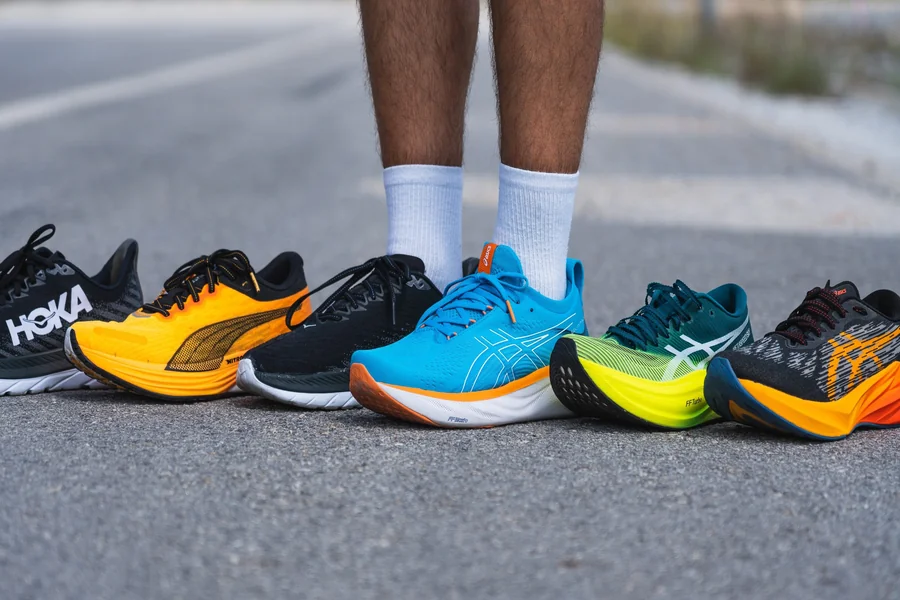
Running a marathon is no small feat — it requires dedication, preparation, and the right gear. Among all your running essentials, the most crucial investment you’ll make is in your running shoes. The right pair can enhance performance, prevent injury, and ensure your journey from start to finish is as smooth as possible.
If you’re preparing for your first marathon or looking to upgrade your running gear, here’s a complete guide on how to choose the best running shoes tailored for long-distance running.
1. Know Your Foot Type
Before choosing any running footwear, it’s important to understand your foot type and arch. This determines the kind of support you’ll need.
There are three general foot types:
- Neutral arch: Suits most runners and allows for a balanced stride.
- Low arch (flat feet): Requires stability shoes to prevent overpronation.
- High arch: Needs cushioned shoes to absorb impact.
You can identify your foot type by doing a simple wet foot test or consulting a specialist at a sports store.
2. Understand Your Gait
Your running gait — the way your foot strikes the ground — plays a vital role in choosing the right running shoe. Some runners overpronate (foot rolls inward), while others underpronate (foot rolls outward). Picking shoes that correct or support your gait ensures a more efficient and injury-free run.
3. Choose Shoes Designed for Long-Distance Running
Not all running shoes are made for marathons. Marathon shoes are built with durability, cushioning, and support in mind. They should feel light enough to maintain speed but cushioned enough to protect your feet over 42 kilometres.
When it comes to trusted performance gear, Puma offers a wide range of running footwear tailored for long-distance athletes. Their designs combine advanced cushioning technology and breathable materials — exactly what a marathon runner needs.
4. Get the Right Fit
Fit is everything. Your marathon shoes should offer a snug fit around the heel and midfoot while giving your toes enough room to move. It’s advisable to try on running shoes towards the end of the day when your feet are slightly swollen — mimicking race conditions.
Also, remember to wear the same type of socks you’ll be using during the race when trying on new shoes.
5. Break In Your Shoes Early
Never run a marathon in a brand-new pair of shoes. Break them in gradually over shorter runs to allow your feet to adjust and prevent discomfort on race day. Ideally, your marathon shoes should have at least 60–80 km of running logged before the big event.
6. Consider Rotation with Casual Sneakers
While preparing for a marathon, it’s helpful to rotate between your running pair and a pair of sneakers for warm-ups, cooldowns, and rest days. Casual sneakers provide comfort while helping your marathon shoes last longer. Just ensure that your everyday footwear is comfortable and supportive enough for walking and light movement.
7. Evaluate Quality and Longevity
Marathon runners typically need to replace their shoes every 500–800 kilometres. Keep an eye on wear patterns, midsole compression, and outsole durability. Premium brands like Puma shoes are designed with high-performance materials that offer better resilience and longer mileage.
Investing in quality shoes ensures you’ll not only perform better but also avoid unnecessary injuries caused by worn-out gear.
Final Thoughts
Choosing the right running shoes for a marathon is a thoughtful process — one that should be guided by comfort, support, and durability. By understanding your foot type, evaluating your gait, and trusting performance-oriented brands like Puma, you can confidently gear up for race day.
Remember, your marathon journey begins long before the starting line. Equip yourself well, and let every stride bring you closer to the finish.
